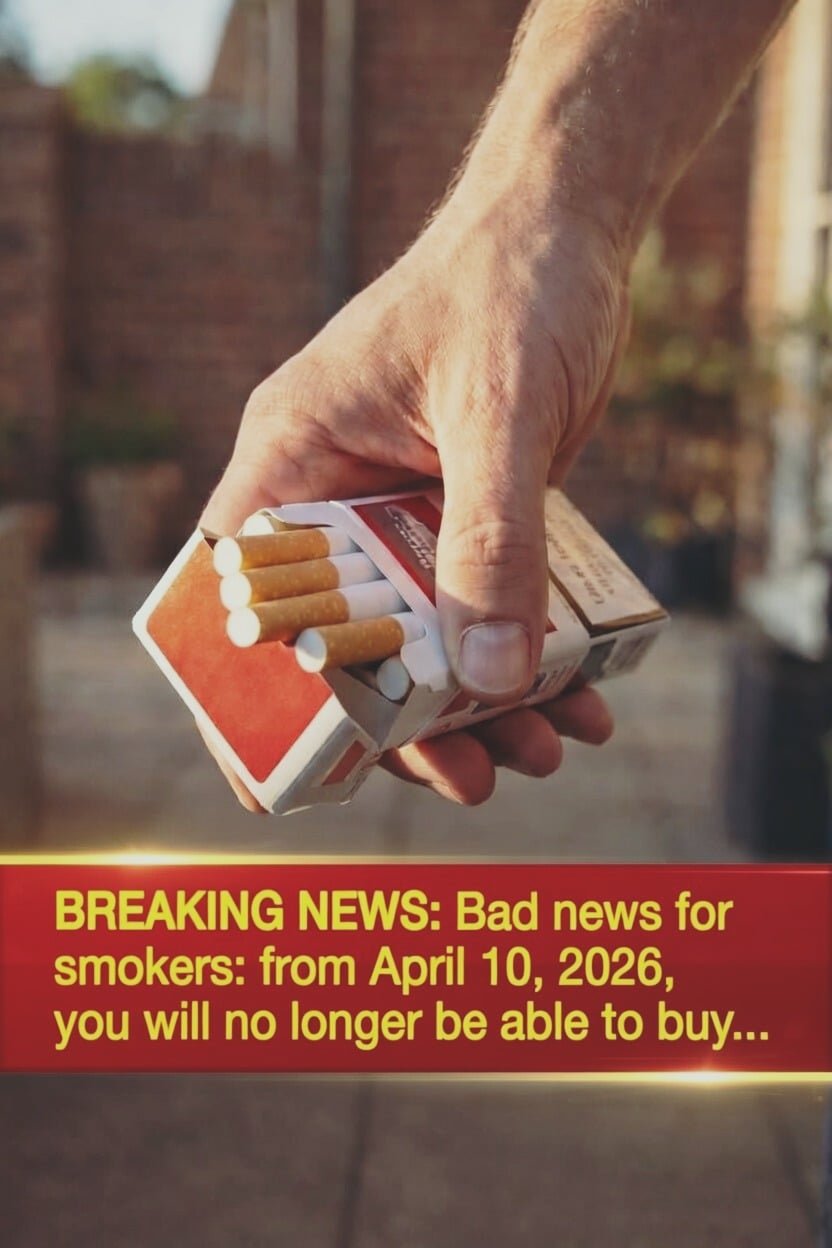
This is the breaking exclusive that international regulators never wanted the public to see.
A massive, coordinated financial squeeze is currently unfolding in France, and it completely shatters everything you thought you knew about consumer rights.
What used to be a simple, daily habit has been quietly transformed into a devastating economic weapon.
By 2026, the cost of a standard pack of cigarettes has been artificially inflated to an agonizing €12.50 to €13.
But the true scandal is the price of a full carton, which now easily exceeds a staggering €300.
The immediate public backlash to this financial extortion has been nothing short of explosive.
Working-class citizens are waking up to realize they are being systematically priced out of their own habits.

Furious consumers are flooding social media, demanding answers for a pricing model that feels less like a health initiative and more like a targeted penalty.
To understand how we arrived at this breaking point, you have to look at the deeply hidden history of these incremental tax hikes.
For over a decade, policymakers have been quietly constructing a taxation trap that now accounts for roughly three-quarters of the total cost of every single cigarette.
They didn’t ban tobacco outright, because an outright ban would have sparked immediate riots in the streets.
Instead, they executed a deliberate, stealthy strategy of economic starvation, using taxation as a weapon to force compliance.
The implication of this hidden agenda changes the entire landscape for the average citizen.
You are no longer making a personal choice; your financial autonomy is being deliberately suffocated by inflation-tied price surges that require zero public votes.
These automatic increases bypass democratic debate completely, ensuring the cost of living continues to skyrocket while the government keeps its hands clean.
The fallout is spreading fast, and the government’s attempt to control the narrative is rapidly collapsing.
Desperate to escape this financial stranglehold, millions of citizens are executing a massive, unprecedented pivot.

Smokers are abandoning domestic markets entirely, flooding across international borders to neighboring countries like Spain, Belgium, and Luxembourg.
This cross-border exodus has sparked a furious political reaction, as border regions become ground zero for massive tobacco runs.
The historical context of open European borders has suddenly been weaponized by consumers desperate to bypass their own government’s financial traps.
But it gets even darker when you look at the devastating implications for the unregulated black market.
As legal prices become utterly unsustainable, an explosive underground economy is surging to fill the void.
Unregulated, untaxed, and potentially dangerous products are flooding the streets at a fraction of the cost.
This shadow market exposes a catastrophic failure in the taxation-based policy, proving that financial barriers don’t eliminate demand—they just force it into the shadows.
The public health experts who championed these price hikes are now facing a terrifying reality they never anticipated.
Their supposed solution has disproportionately weaponized the economy against the lowest-income demographics.
While the wealthy elite can easily absorb a €13 pack, the working class is being crushed beneath a deliberately designed financial burden.
This aggressive class divide has sparked outrage among advocacy groups who see this not as public health, but as a systematic punishment of the poor.
The history of this strategy is rooted in a fundamental misunderstanding of addiction and consumer behavior.
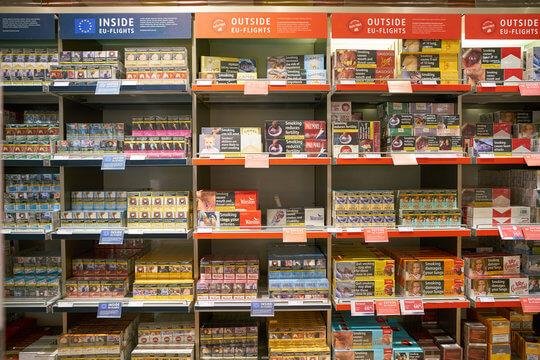
Policymakers assumed that squeezing the wallet would instantly cure the habit, completely ignoring the psychological grip of the product.
The shocking implication is that the government is essentially holding its most vulnerable citizens financially hostage.
But the war on the consumer doesn’t stop at the cash register.
A massive, coordinated campaign of social exile is currently being deployed to banish smokers from public life entirely.
Parks, beaches, and even sidewalks are rapidly being reclassified as heavily regulated zero-tolerance zones.
The backlash from civil liberty advocates is reaching a boiling point.
People are realizing that these restrictions are not just about secondhand smoke; they are about the complete normalization of state-mandated social engineering.
Historically, smoking in France was deeply intertwined with the cultural identity, a normalized part of daily social interaction.
Now, that history is being aggressively rewritten, turning everyday citizens into social pariahs overnight.
The implications for personal freedom are absolutely chilling.
By systematically shrinking the spaces where people are allowed to exist, policymakers are enforcing an invisible prison of compliance.
They are engineering a society where personal choice is tightly policed by overwhelming public stigma.
The establishment’s obsession with controlling the next generation has triggered an entirely new wave of aggressive intervention.
Educational initiatives and aggressive anti-smoking media campaigns are actively flooding the school systems.
The immediate backlash from parents is a growing concern over state-sponsored psychological conditioning replacing standard academics.
Historically, youth rebellion naturally drove teenagers toward restricted products, creating a dangerous cycle of early adoption.
Now, the staggering price point is being used as a massive, invisible wall to lock youth out of the market entirely.
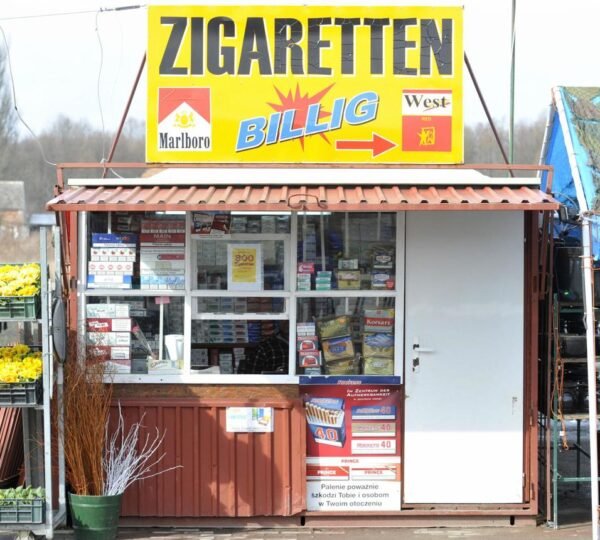
The implication here is a total shift in generational autonomy.
Younger demographics, crippled by price sensitivity and a lack of financial independence, are being economically blocked before they even make a choice.
This ensures that the government’s control over public behavior is cemented for decades to come, completely bypassing the need for an actual cultural shift.
The official government messaging attempts to frame this entire operation as a benevolent public health crusade.
They point to declining sales figures and boast about long-term reductions in respiratory illnesses and cardiovascular diseases.
But the exclusive reality on the ground tells a much more complicated and sinister story.
Smokers aren’t just quitting; they are rationing, switching to rolling tobacco, and completely altering their daily behaviors to survive the economic onslaught.
This desperate behavioral adaptation proves that the policy isn’t curing anyone; it is simply forcing them to live in a state of constant financial anxiety.
The historical reliance on taxation as a magic bullet is finally showing its cracks.
While international organizations like the World Health Organization continue to push these aggressive economic interventions, the localized reality is a mess of unintended consequences.
The massive tax revenues generated by these inflated prices create a deeply unsettling conflict of interest.
The implication is undeniable: the government is financially addicted to the very habit it claims to be trying to eradicate.
This cyclical dependency means that if everyone actually stopped smoking tomorrow, the state would face an unprecedented financial crisis.
The entire system is a house of cards built on the wallets of addicted consumers.
As digital health apps and cessation hotlines are pushed to the masses, the underlying truth remains aggressively hidden.
The €300 carton isn’t a mistake, and it isn’t just about your lungs.
It is a masterclass in behavioral control, testing exactly how far a population can be pushed before they finally snap.
This is the new reality of public health, where your wallet is the battlefield and your personal autonomy is the ultimate casualty.
The true cost of a pack of cigarettes is no longer measured in euros, but in the systematic dismantling of consumer freedom.
And this is only the beginning of the blueprint they plan to use next.